
Linseed Oil for Hair and Nails: Omega-3 Beauty Benefits
Healthy hair, skin and nails are often linked to what we eat.
Nutrients such as essential fatty acids help support the body from within, which is why foods rich in omega-3 are often associated with beauty and wellbeing.
Linseed oil, also known as flaxseed oil, is one of the richest plant sources of omega-3 in the form of alpha linolenic acid (ALA). Many people include it in their daily routine to support hair, skin and nails as part of a balanced diet.
At The Linseed Farm, our linseed is grown and cold-pressed right here on our West Sussex farm.
This helps preserve the oil's natural nutritional qualities, making it easy to add to everyday meals.
If you are new to linseed, you may also enjoy our guide to the health benefits of flaxseed oil.
Linseed Hair Benefits: Why People Use Linseed Oil for Hair
Linseed oil is increasingly searched for by people interested in supporting healthy hair through nutrition.
Because it contains plant-based omega-3, it is often included in diets that support overall hair and scalp health.
Hair is primarily made of protein, but healthy fats also play an important role in supporting the scalp and the structure of hair strands.
People researching linseed hair benefits are often looking to support:
- Hair strength and resilience
- Scalp comfort and balance
- Natural shine and smoothness
- Nutritional support for healthy hair growth
Adding omega-3-rich foods such as linseed oil to a balanced diet may help support these natural processes.
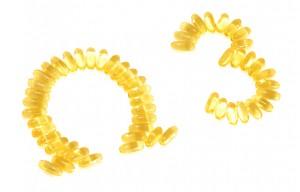
Linseed oil is valued for its high concentration of plant-based omega-3.
When included regularly in the diet, it can be a simple way to support overall hair health.
Common reasons people add linseed oil to their routine include:
Supporting scalp health
Healthy fats help maintain the scalp environment where hair grows.
Encouraging shine and smoothness
Balanced nutrition may help hair appear healthier and smoother.
Providing plant-based omega-3
Linseed oil is one of the richest plant sources of ALA.
For an easy way to add omega-3 to your meals, explore our cold-pressed linseed oil, grown and pressed on our farm.
Beauty from Within: Supporting Skin Health
While this article focuses mainly on hair and nails, omega-3 is also often associated with supporting healthy skin.
Essential fatty acids help maintain the skin barrier and contribute to normal skin function when consumed as part of a balanced diet.
If you would like to explore this topic further, read our guide to linseed oil for glowing skin.
Linseed for Stronger Nails
Nails depend on balanced nutrition to stay strong and resilient.
Protein, minerals and essential fatty acids all contribute to the growth and maintenance of nails. Including foods rich in healthy fats, fibre and micronutrients can support overall nail health.
Some people choose to combine linseed oil with milled linseed, which provides fibre and plant protein alongside omega-3.
You can explore our freshly milled linseed meal.
Simple Ways to Add Linseed Oil to Your Diet
One of the reasons linseed oil is so popular is how easy it is to add to everyday meals.
Linseed oil works best when used cold.
You can:
- Drizzle it over salads or vegetables
- Stir it into yoghurt or porridge
- Blend it into smoothies
- Add it to warm food after cooking
This helps protect the oil's natural qualities.
If you are looking for ideas, explore our linseed recipes.
FAQs
Is linseed oil good for hair?
Linseed oil contains plant-based omega-3 in the form of ALA. Many people include it in their diet to support overall hair and scalp health as part of a balanced lifestyle.
Can flaxseed help support hair health?
Flaxseed, also known as linseed, provides omega-3 fatty acids, which contribute to overall nutritional balance. Diet plays an important role in supporting hair, skin and nails.
How do you use linseed oil?
Linseed oil is best used cold. Drizzle it over salads, mix it into yoghurt or smoothies, or stir it into food after cooking.
What is the difference between linseed oil and milled linseed?
Linseed oil mainly provides omega-3 (ALA). Milled linseed also contains fibre, plant protein and minerals, making it a useful whole food addition to meals.
