
Benefits of Flaxseed Oil (Linseed Oil): Health Benefits
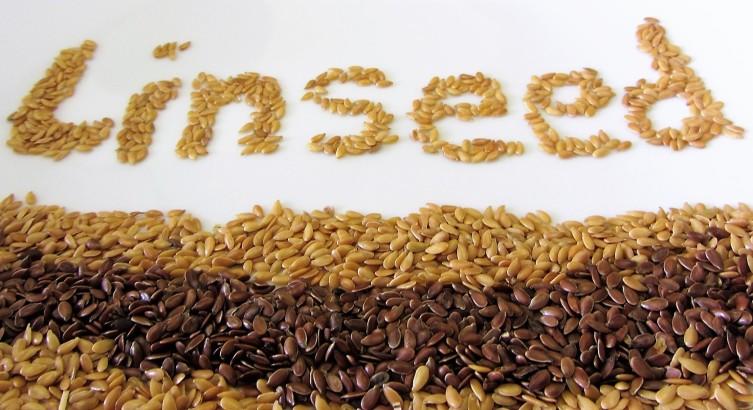
Flaxseed oil, also known as linseed oil, is a popular plant-based oil used to support a balanced diet.
In this guide, we look at the key health benefits of flaxseed oil, why its omega-3 content is the main nutritional talking point, and how to use it in everyday meals.
We’ll also explain how flaxseed oil compares with milled linseed, so you can choose the format that best fits your routine.
Flax Oil Seed Benefits At A Glance
People choose flaxseed (linseed) oil because it offers a simple way to add more healthy fats to a balanced diet.
In particular, it is known for:
- Omega-3 (ALA), one of the richest plant sources of alpha-linolenic acid
- A straightforward daily habit that fits into meals without major changes
- Versatile use in cold foods like salads, yoghurt, and smoothies
- Easy to stir into warm food after serving, rather than heating it
If you’re researching flaxseed oil health benefits, omega-3 ALA is usually the main nutritional reason people start using it.
Omega-3 (ALA) In Flaxseed Oil
Linseed (flaxseed) oil is naturally high in ALA (alpha-linolenic acid), a plant-based omega-3.
ALA contributes to maintaining normal blood cholesterol levels when consumed as part of a balanced diet and healthy lifestyle.
Tip: Linseed (flaxseed) oil is best used cold (drizzled over food) rather than heated.
Health Benefits Of Flaxseed Oil Vs Whole And Milled Linseed
Flaxseed oil and whole or milled linseed can both be useful, but they offer different nutritional benefits:
- Flaxseed (linseed) oil: primarily a source of omega-3 (ALA)
- Milled linseed/linseed meal: provides fibre and plant protein, plus a broader whole-food profile
If your main aim is to increase omega-3 intake, linseed oil is a simple option.
If you also want more fibre, milled linseed is often the better everyday choice.
Linseed (Flaxseed) Meal Benefits: Fibre, Protein, and Minerals
Our freshly milled linseed (flaxseed) meal is an easy way to add nutrition to porridge, cereal, yoghurt and baking.
Key benefits include:
- High fibre content (both soluble and insoluble), supporting normal digestion
- Plant-based protein, which contributes to the growth and maintenance of muscle mass and normal bones
- Naturally occurring minerals such as magnesium, iron and zinc, which play roles in normal body function
How To Take Flaxseed (Linseed) Oil Daily
A simple routine helps you stay consistent:
- Start small and build gradually into a daily habit
- Use it cold: drizzle over salads, stir into yoghurt, or blend into smoothies
- Add it after cooking, not during cooking
- Store it properly (cool, dark place and follow label guidance) to protect quality
If you’re looking for an easy starting point, our linseed oil is made for everyday use.
Linseed And Flaxseed: The Same Thing?
Yes. Linseed and flaxseed come from the same plant (Linum usitatissimum).
The difference is usually in the naming and intended use.
“Linseed” is common in the UK, while “flaxseed” is widely used in the US and in health-related searches.
Ready To Try It?
Choose the format that fits your routine, then start with a simple daily habit:
- Cold-pressed linseed (flaxseed) oil for omega-3 (ALA)
- Milled linseed meal for fibre and protein support
Related reading:
FAQs: Flaxseed (Linseed) Oil Health Benefits
What are the health benefits of flaxseed oil?
Flaxseed (linseed) oil is valued mainly for its omega-3 (ALA) content. ALA contributes to the maintenance of normal blood cholesterol levels when consumed as part of a balanced diet and healthy lifestyle.
What are flaxseed oil benefits compared to whole seeds?
“Flax oil” (oil pressed from flax or linseed) is primarily a source of omega-3 (ALA). Whole or milled linseed also provides fibre and plant protein, which the oil does not.
Is flaxseed oil good for you every day?
For many people, flaxseed (linseed) oil can be a simple daily way to add more healthy fats, especially omega-3 (ALA). If you have a medical condition, take medication, or are pregnant or breastfeeding, it’s sensible to check with a healthcare professional.
How do you take flaxseed (linseed) oil?
Use it cold to protect its delicate fatty acids. Drizzle over salads, stir into yoghurt, add to smoothies, or mix into food after cooking. Avoid frying or high heat.
What is the best time to take flaxseed oil?
There’s no single best time. Consistency matters most. Many people take it with breakfast or lunch, so it becomes a simple routine.
Does flaxseed oil contain fibre?
No, fibre is found in the seed, especially milled linseed [https://www.thelinseedfarm.co.uk/milled-linseed], not the oil. If you want fibre support, milled linseed is usually the better option.
What’s the difference between cold-pressed and refined flaxseed oil?
Cold-pressed oil is produced without high heat, which helps preserve flavour and the natural fat profile. Refined oils can be more neutral in taste but may lose some characteristics during processing.
