
Does Flaxseed (Linseed) Lower Cholesterol? How It Works and How Much to Take
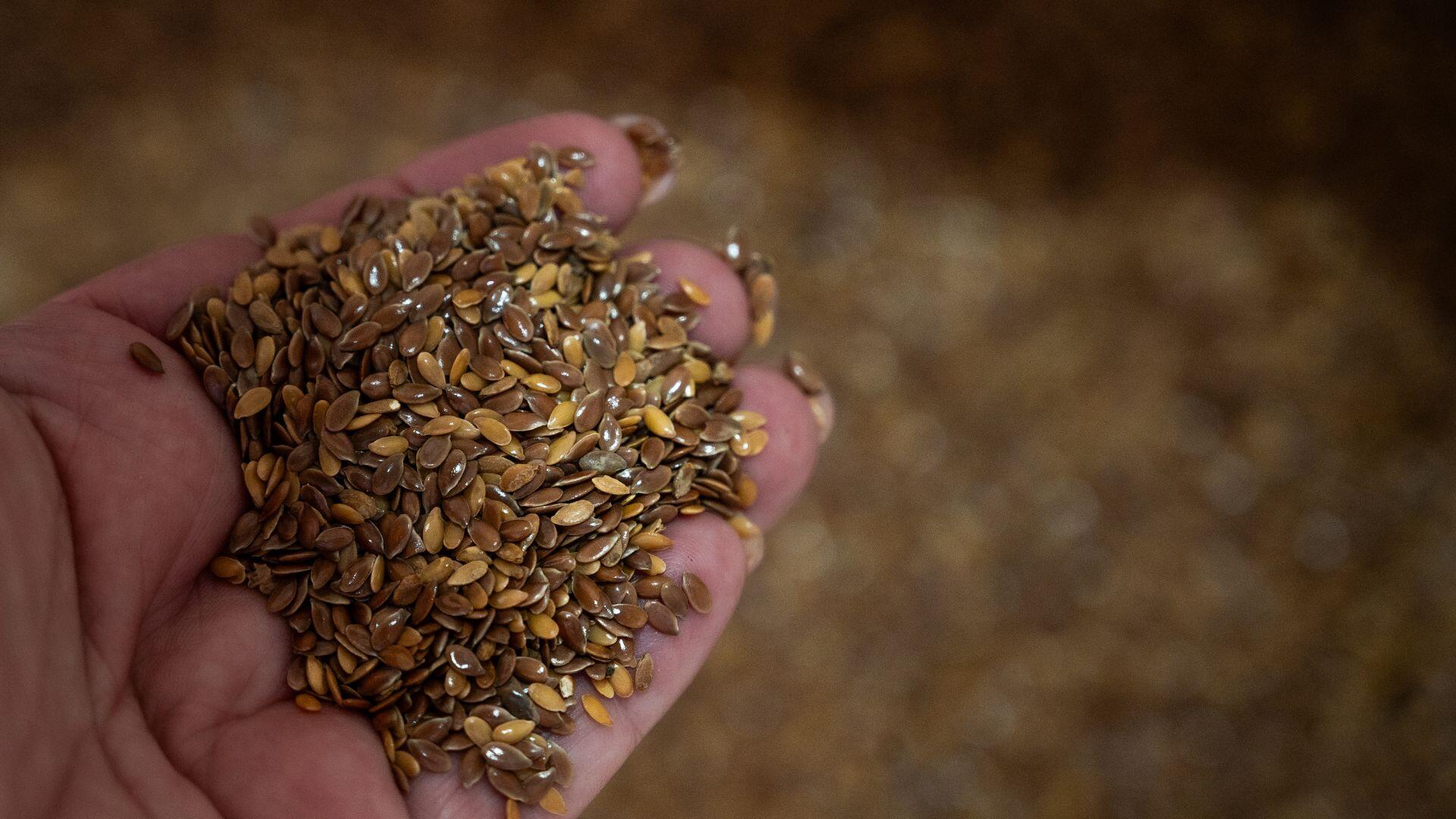
If you’re looking for a natural way to support heart health, linseed (also known as flaxseed) is often recommended as part of a balanced diet.
These small golden or brown seeds are rich in fibre, healthy fats, and plant compounds that work together to support healthy cholesterol levels.
So, does flaxseed really help lower cholesterol?
The short answer is that research suggests it can play a supportive role, particularly when eaten regularly in ground form.
Below, we explain how linseed works, what research suggests, how much to take, and how to incorporate it safely into a heart-healthy lifestyle.
Quick Answer: Is Flaxseed Good for Cholesterol?
Evidence from nutrition research suggests that ground flaxseed (linseed) may help modestly reduce total cholesterol and LDL (“bad”) cholesterol, especially in people who already have raised cholesterol levels.
The benefits appear strongest when flaxseed is:
- Consumed daily
- Used in ground or milled form
- Included as part of a fibre-rich, balanced diet
How Flaxseed Helps Lower Cholesterol Naturally
Linseed supports healthy cholesterol levels through several complementary mechanisms.
1. Soluble Fibre and Cholesterol Absorption
Flaxseed is naturally high in soluble fibre.
When ground linseed is eaten, this fibre absorbs water in the digestive tract and forms a gel-like substance.
This gel can bind to bile acids, which are made from cholesterol, and help carry them out of the body during digestion.
Because bile acids are lost, the body needs to draw cholesterol from the bloodstream to make more, which may help reduce circulating LDL cholesterol over time.
2. Omega-3 Fatty Acids (ALA) and Heart Health
Linseed is the richest plant source of alpha-linolenic acid (ALA), a type of omega-3 fatty acid.
ALA is associated with:
- Reduced inflammation in blood vessels
- Improved lipid balance
- Support for overall cardiovascular health
While omega-3s are not cholesterol-lowering medications, they can support a healthier cholesterol balance when consumed regularly as part of a heart-friendly diet.
3. Lignans and Protection Against Oxidation
Linseed is also one of the most concentrated dietary sources of lignans, plant compounds with antioxidant properties.
Lignans may:
- Help reduce total and LDL cholesterol
- Protect LDL cholesterol from oxidation
- Support arterial health
This matters because oxidised LDL is more strongly linked with the development of atherosclerosis (hardening of the arteries).
4. Supporting Better Fat Balance in the Diet
Using flaxseed in place of foods high in saturated fat, such as butter or processed snacks, can help improve the overall fat profile of the diet, which plays an important role in long-term cholesterol management.
What the Research Suggests About Flaxseed and Cholesterol
Modern nutrition research supports the idea that ground flaxseed can contribute to healthier cholesterol levels when consumed consistently.
Reviews of controlled nutrition studies have found that regular intake of ground flaxseed is associated with modest reductions in total cholesterol and LDL cholesterol, particularly in people with higher baseline levels.
Across multiple studies, benefits are most consistently observed when:
- Around 30 grams per day is consumed
- Flaxseed is eaten in ground or milled form, rather than whole
- Intake is maintained daily over several weeks
Researchers suggest these effects are driven by flaxseed’s combination of soluble fibre, omega-3 fatty acids (ALA), and lignans, which together influence cholesterol absorption, metabolism, and oxidation.
Further reading on this topic can be found in peer-reviewed nutrition research available via:
Linseed has also been discussed in UK health programming as part of broader conversations around diet and heart health.
Flaxseed should not be viewed as a replacement for prescribed cholesterol-lowering medication, but the overall body of research supports its use as a practical, food-based dietary addition.
How to Use Flaxseed for Cholesterol
Ground vs Whole Linseed
Whole linseeds often pass through the digestive system without fully breaking down. To access flaxseed’s fibre, omega-3s, and lignans, ground or milled linseed is essential.
Easy Ways to Add Flaxseed to Your Diet
- Stir into yoghurt or porridge
- Blend into smoothies
- Sprinkle over cereal or salads
- Mix into soups, stews, or baked goods
Storage tip: Keep ground linseed in the refrigerator to help preserve freshness and protect its natural oils.
How Much Flaxseed Should You Take Per Day?
For cholesterol support, many people aim for around 30 grams (approximately 1–2 tablespoons) of ground flaxseed per day.
It’s sensible to:
- Start with a smaller amount
- Increase gradually
- Drink plenty of water, as flaxseed fibre absorbs liquid
How Long Does It Take for Flaxseed to Work?
Flaxseed is not a quick fix.
Changes in cholesterol levels are generally associated with consistent daily intake over several weeks, alongside other heart-healthy habits such as a balanced diet and regular physical activity.
A Gentle, Natural Support — Not a Substitute for Medical Advice
Linseed works best as part of a broader heart-healthy lifestyle, including:
- Plenty of fruits and vegetables
- Whole grains
- Regular movement
If you are managing high cholesterol or taking prescribed medication, it’s always advisable to discuss dietary changes with a health specialist.
The Bottom Line
Flaxseed (linseed) is a nutrient-dense, affordable, and versatile food that can help support healthy cholesterol levels when used consistently.
Its combination of:
- Soluble fibre
- Omega-3 fatty acids
- Protective plant compounds
makes it a simple daily addition for long-term heart health.
Around 30 grams of ground linseed per day may help keep your cholesterol — and your heart — in better balance.
If you would like to try freshly milled linseed, grown and prepared with care on our West Sussex farm, you can explore our linseed products.
